Sheikh Hasina’s Authoritarian Grip on Bangladesh
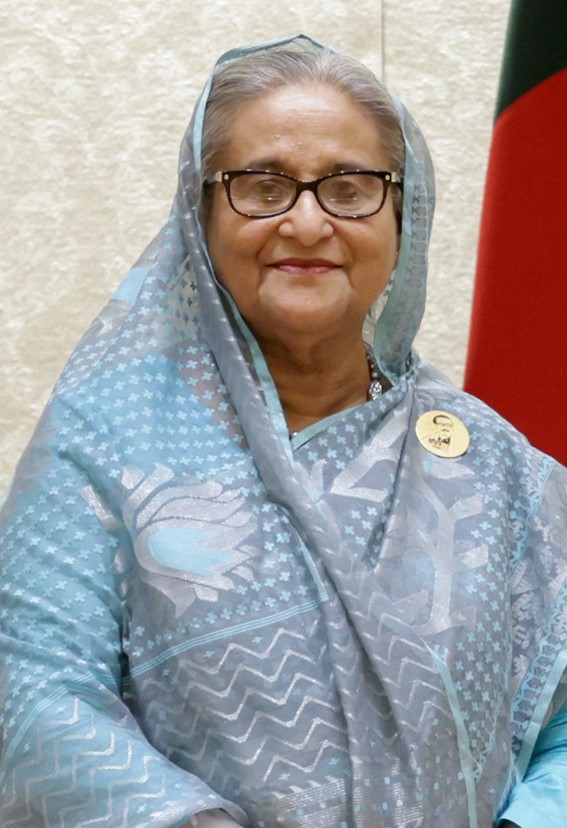
The Dark Side of Leadership: Sheikh Hasina’s Authoritarian Grip on Bangladesh
Sheikh Hasina, the long-standing Prime Minister of Bangladesh, has been lauded for her economic initiatives and efforts in poverty reduction. However, beneath this veneer of progress lies a disturbing trend of authoritarianism and human rights abuses that have cast a shadow over her tenure. This article delves into the brutal tactics employed by Hasina and her government, particularly against students and political opponents, raising serious concerns about the erosion of democracy in Bangladesh.
Crackdown on Political Opposition and Free Speech
Under Sheikh Hasina’s leadership, the ruling Awami League has systematically dismantled democratic institutions, tightening its grip on power. The government has been accused of manipulating electoral processes, with the 2018 general elections marked by widespread allegations of voter intimidation and electoral fraud. The opposition, particularly the Bangladesh Nationalist Party (BNP), has faced severe repression. BNP leaders and activists have been arrested arbitrarily, often under dubious charges, in an attempt to weaken political dissent.
The repression extends to free speech and the press. The Digital Security Act, passed in 2018, has been used as a tool to stifle criticism and dissenting voices. Journalists and social media users have been arrested for expressing views deemed unfavorable to the government, fostering a climate of fear and self-censorship.
Brutality Against Students and the Youth
One of the most shocking aspects of Hasina’s rule has been the brutal treatment of students and young activists. In recent years, Bangladesh has witnessed a surge in student protests, driven by issues ranging from road safety to educational reforms. The government’s response has been harsh and disproportionate, employing excessive force to quell peaceful demonstrations.
In one notable incident in 2018, students protesting for safer roads following the deaths of two students in a traffic accident faced violent crackdowns. The police and pro-government thugs attacked protesters with batons, rubber bullets, and even sexually assaulted some female students. The brutality extended to journalists covering the events, many of whom were beaten and had their equipment confiscated.
The Use of Extrajudicial Measures
Sheikh Hasina’s government has been accused of using extrajudicial measures to silence critics and maintain control. Reports of enforced disappearances and extrajudicial killings have increased, with security forces allegedly targeting political activists, journalists, and critics. These actions are often carried out with impunity, contributing to a culture of fear and repression.
International Reactions and Concerns
The international community, including human rights organizations like Human Rights Watch and Amnesty International, has expressed grave concerns over the human rights situation in Bangladesh. They have called on Sheikh Hasina’s government to respect democratic norms, uphold human rights, and cease its repression of political opponents and civil society.
Conclusion
While Sheikh Hasina’s administration may tout its economic successes, the darker reality is a troubling decline in democratic freedoms and human rights in Bangladesh. The brutal measures against students, the suppression of free speech, and the targeting of political opposition raise serious questions about the country’s democratic future. As Bangladesh approaches another election cycle, the world watches with concern, hoping for a return to democratic norms and the protection of human rights.
For further reading on the current situation in Bangladesh under Sheikh Hasina’s rule, you can consult sources such as Human Rights Watch and The Guardian.